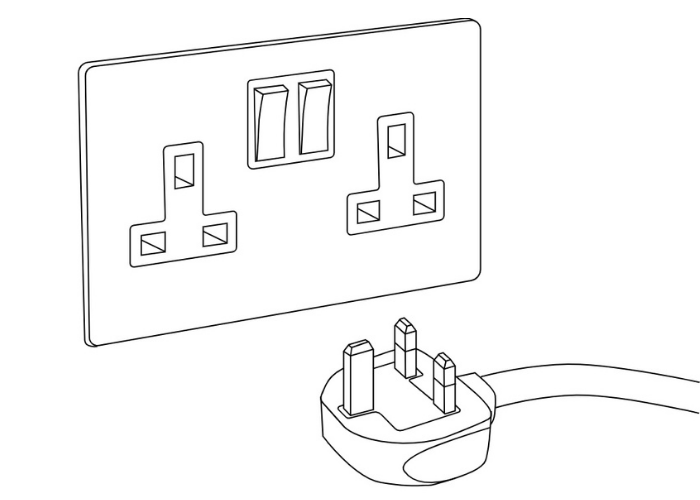
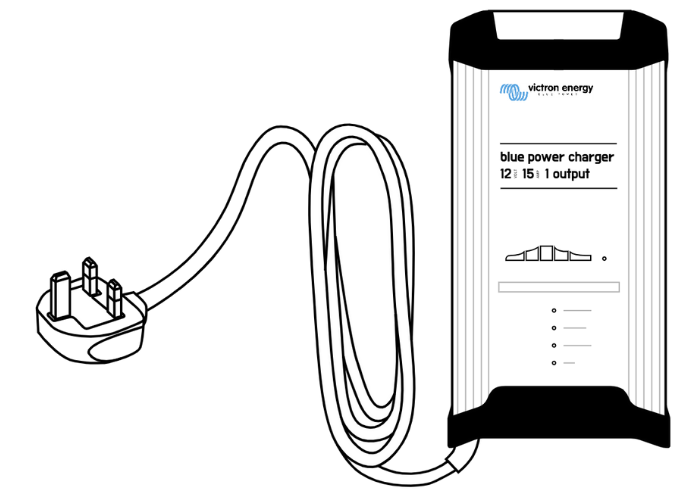
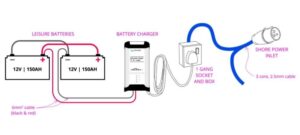
Shore power is the method of charging your leisure batteries...
Read MoreWiring the electrics in a van can be daunting, but it doesn’t have to be!

These step-by-step guides have been carefully curated to take away some of the stress, frustration, and confusion.
Disclaimer: We are not qualified electricians. All of our skills are completely self taught through a lot of research. We hope you find these guides helpful, but keep in mind this is not professional advice. Playing with electrical systems can be dangerous so be sure to consult a qualified professional if you are unsure.
All of the van electrics information provided is based on our own electrical system we built in our van. Our van runs fully on battery power (no gas) – so if you are planning on powering your van with a different method, the set up it may be different. Full downloadable wiring diagram coming soon.
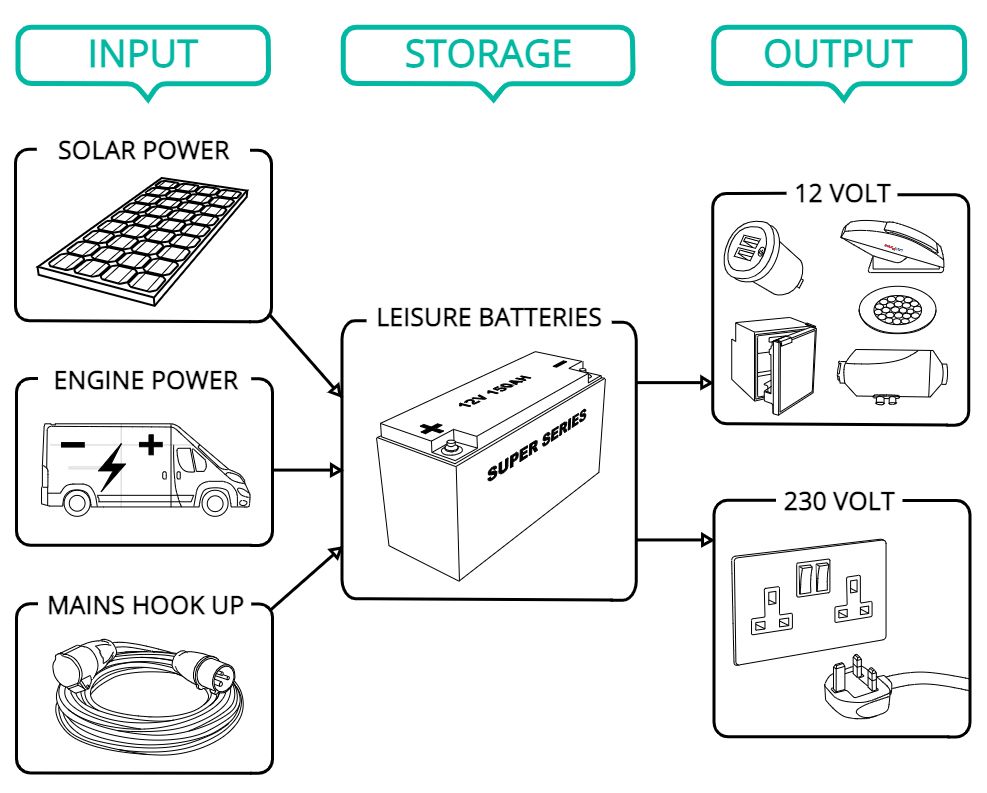
Tackling the electrics in your van build can feel like a mammoth task, especially when you are starting from scratch with no experience in the field. We found that working through the electrics in manageable chunks really helped us avoid feeling overwhelmed. We have individual guides on each section of the overall electrical system, but to begin, here is an overview of how to break the electrical system into simple sections.
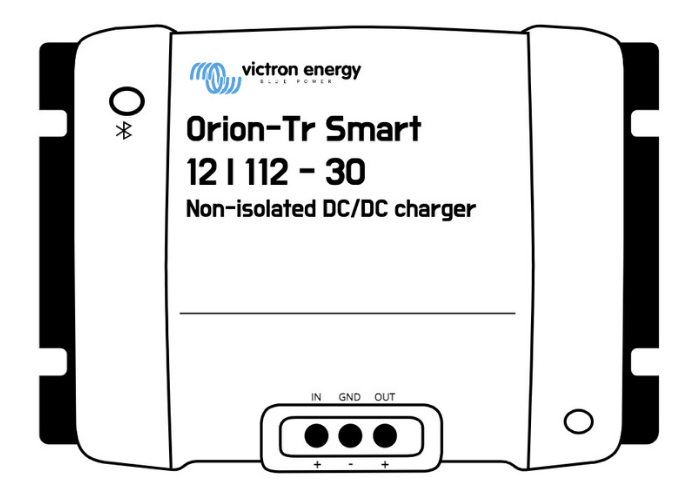
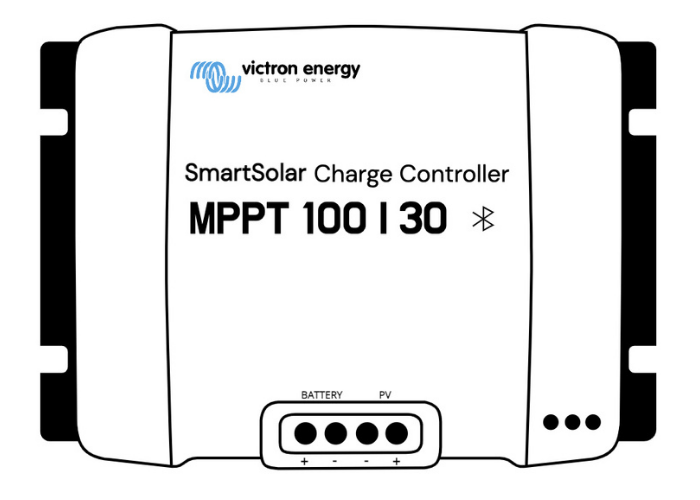
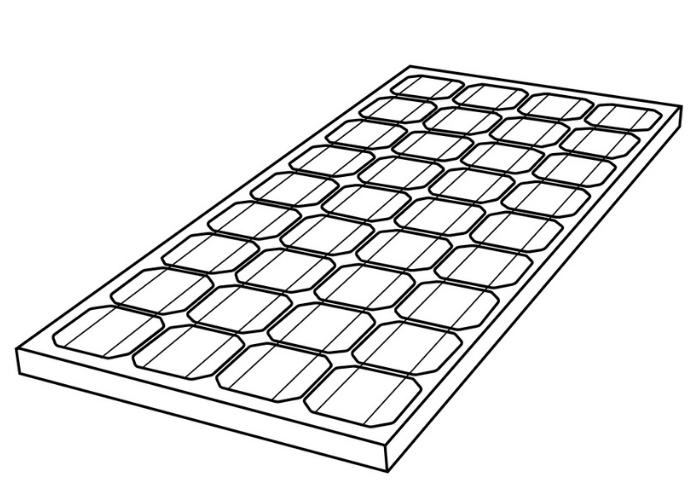
The input section of the van electrics system is how we charge the batteries. To have a sustainable off-grid system we need a way of effectively replacing all the charge we have used to power our electricals. There are a few different ways to charge your leisure batteries – Solar power, split charge and mains hook up. Check out our guides below.
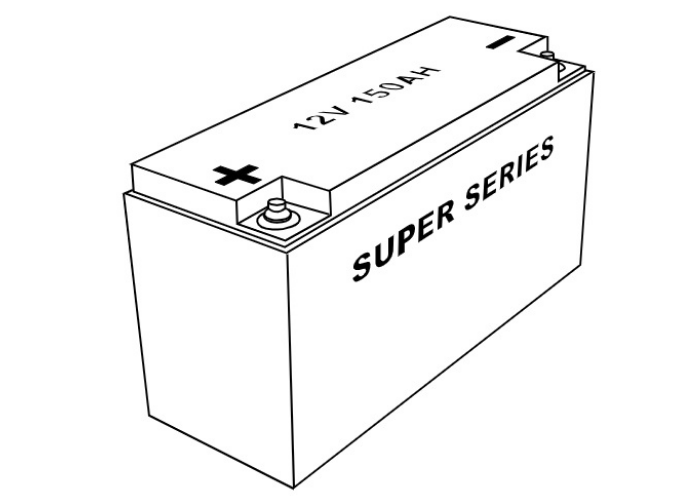
The battery, or batteries is the heart of your electrical system, without it you would not be able to power any of your electricals. The role of the leisure battery is to take in energy from the inputs, store it, then release that energy to the outputs, also known as loads. There are many different types of batteries to choose from, all of which come at very different price points. We have detailed the pros and cons for the two main types of batteries below.
Pros:
Cons:
Pros:
Cons:
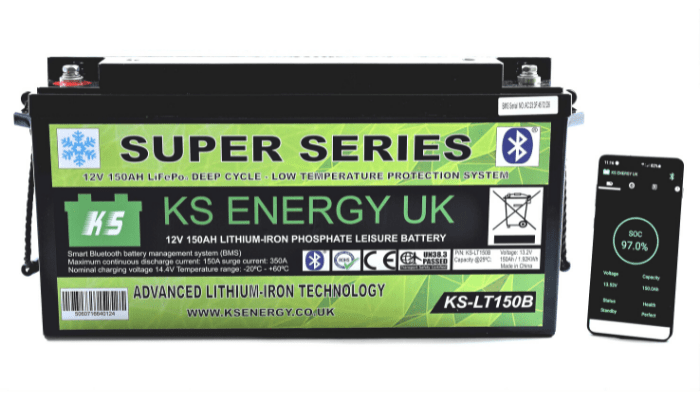
We opted for two 12V, 150AH batteries from KS Energy. We chose these batteries for a number of reasons.
To help determine which battery you should buy, you will first need to know how much energy you will require to power your electrical system. You will need to calculate how many amp hours (AH) you require.
There are lots of different sites which have excellent battery size calculator such as these:
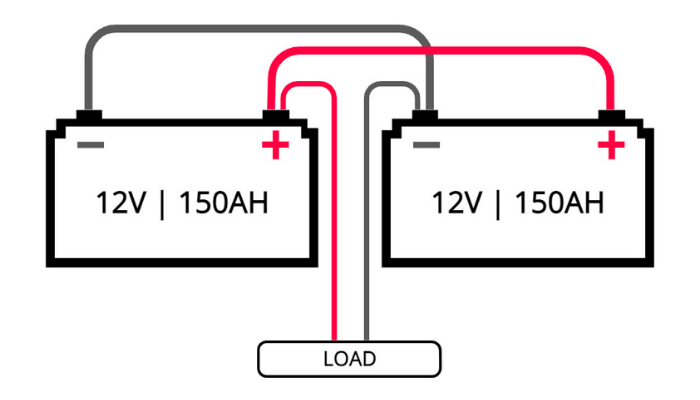
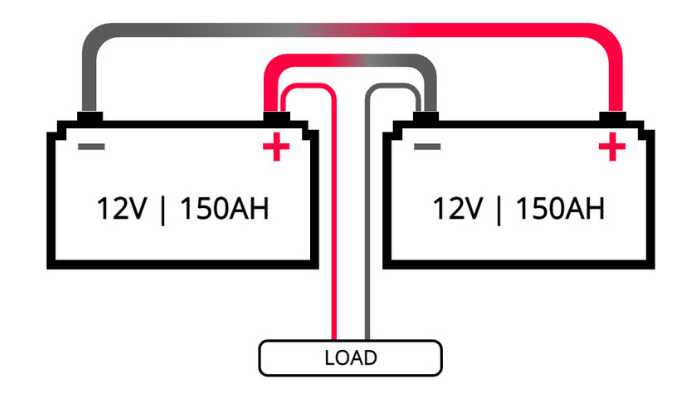
It is important to note that how you wire together your batteries effects its power output. Wiring batteries in parallel will keep the voltage constant (12V) and add the current together (AH). The below diagrams show how your batteries can be wired in both series and parallel. We personally wired our batteries in parallel to keep the van electrics system as a 12V circuit as well as maximising current output to power our electricals.
Batteries are wired positive to positive terminal and negative to negative terminal.
The voltage stays the same and the current is added together in this set up.
12 V
(150 +150) = 300 AH
Batteries are wired in a continuous loop, positive terminals connected to negative terminals.
The voltage is added together and the current stays the same in this set up.
(12 + 12) = 24V
150 AH
The output is where the battery distributes its charge to your electrical goods, also known as loads. Different appliances require a different type of power for them to function properly. Electricity comes in two forms—alternating current (AC) and direct current (DC). To understand how this affects our electrical circuit we need to understand the basics of AC and DC Power.
DC power is what is supplied directly from your leisure batteries.
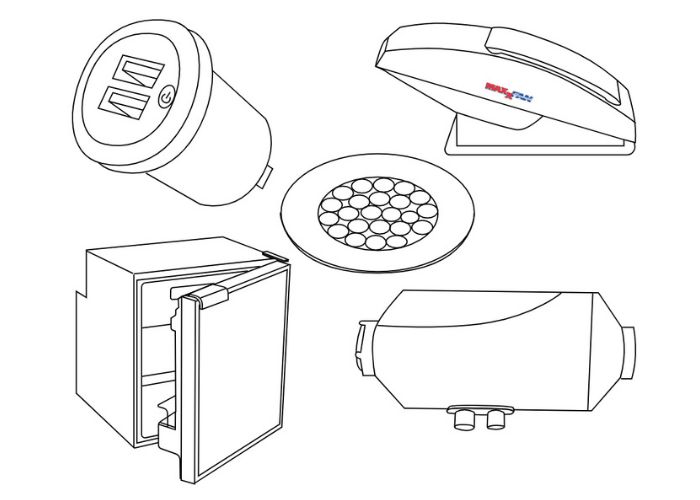
If your appliance has a positive and negative to connect to, it will likely be in your 12V DC circuit.
The 12V DC electric circuit is where you will power most of your appliances from. Luckily this portion of the electrical setup is pretty straight forward.
The post below guides you through how to set up the 12V portion of your van electrics.
AC power is the standard electricity that comes out of power outlets
To make it as basic as possible, anything that you plug into the wall in your home is AC (generally 230V)
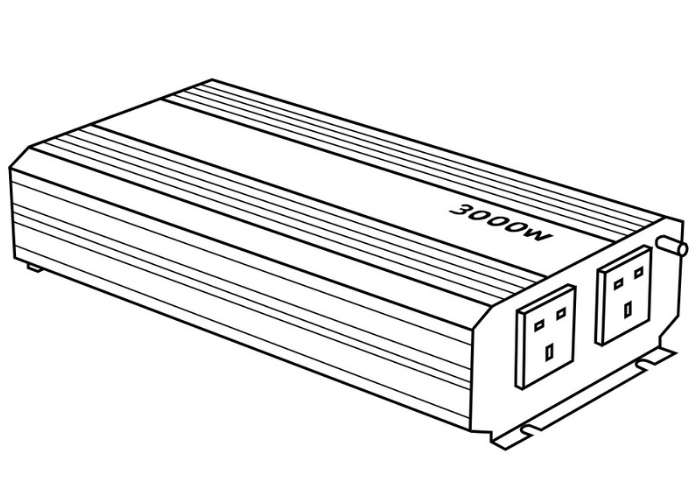
To use your AC appliances in your van you need to convert the DC power from your leisure battery into AC using a power inverter.
A post breaking down exactly how to wire this portion of your electrical setup coming soon.
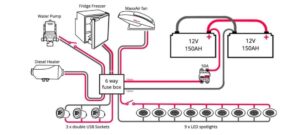
A complete breakdown of how to wire the 12V circuit in your van, including wiring diagrams.
A complete breakdown of how to wire the 230V circuit in your van, including wiring diagrams.
Shore power is the method of charging your campervans leisure...
Read MoreThe 12V electric circuit is where you will power most...
Read MoreFind out how to install a Chinese diesel heater in...
Read MoreA DC/DC charger is a great addition to any campervan...
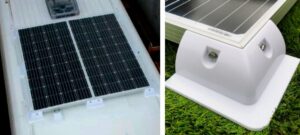
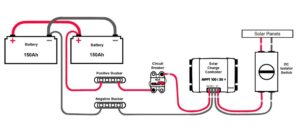
Read MoreA step by step guide to installing solar panels. Diagrams...
Read MoreWe use cookies to improve your experience on our site. By using our site, you consent to cookies.
Manage your cookie preferences below:
Essential cookies enable basic functions and are necessary for the proper function of the website.
These cookies are needed for adding comments on this website.